
.jpg)
If you’re starting your Northern Virginia home search, you’ve probably come across two names again and again: Arlington and Falls Church. Both are incredible places to live, but they offer very different experiences. As a Realtor in Arlington VA, who also helps clients in Falls Church, I see families wrestle with this choice all the time.
The good news? There’s no wrong answer. It really comes down to what matters most to you, whether it’s commute, schools, neighborhood character, or the type of home you’re looking for.
In the chart below, you can easily compare commute times, schools, available housing, and more:
Comparison Chart: Arlington vs. Falls Church
|
Feature |
Arlington County |
Falls Church City |
Falls Church (Fairfax Co.) |
|
Character |
Urban-suburban mix, walkable transit corridors |
Small-town feel, walkable city center |
Classic suburban, quiet residential neighborhoods |
|
Average Commute to D.C. |
10–20 minutes |
20–30 minutes |
25–35 minutes |
|
Metro Access |
Orange, Silver, & Blue Lines (11 stations) |
East & West Falls Church Metro Stations (Orange/Silver) |
East & West Falls Church Metro Stations |
|
School System |
Arlington Public Schools (APS) |
Falls Church City Public Schools (FCCPS) |
Fairfax County Public Schools (FCPS) |
|
Housing Mix |
High-rise condos, townhomes, single-family homes |
Single-family homes, luxury infill builds, condos |
Single-family colonials, ranchers, townhomes |
|
Price Point Entry |
Condos: $400k+ / Single-Family: $950k+ |
Single-Family: $1.2M+/ Condos: +$600K |
Single-Family: $850k+/ Townhomes: $950K+ |
Location and Commute: Close-In vs. Just Outside
Arlington: Directly borders Washington, DC. Depending on the neighborhood, you’re just minutes from downtown DC or Ronald Reagan Washington National Airport. Metro access is widespread, with the Orange, Silver, and Blue lines running through the county. If convenience is your top priority, Arlington delivers.
Falls Church: Split between the independent City of Falls Church and the Falls Church area of Fairfax County. Commutes are still reasonable; Metro stations like East Falls Church and West Falls Church connect you to DC, but you’ll generally add 10–20 minutes compared to Arlington. For many families, the trade-off is worth it for the extra space.
If shaving time off your daily commute is essential, Arlington takes the win. If you’re okay with a little more drive time, Falls Church offers breathing room.
Neighborhood Vibe: Urban-Suburban Mix vs. Suburban Charm
Arlington: Home to active neighborhoods like Clarendon, Ballston, and Lyon Park. Sidewalks are full, you can walk to restaurants, and there’s always something going on. Even quieter neighborhoods like Arlington Forest or Ashton Heights still put you close to amenities.
Falls Church: Quieter and more residential. Neighborhoods like Broadmont or Falls Hill feel like true suburbs featuring tree-lined streets, larger yards, and less density. There’s still a walkable downtown in the City of Falls Church, with local favorites like Ireland’s Four Provinces or Northside Social, but overall, life moves a little slower here.
If you love energy, walkability, and being in the mix, Arlington will feel like home. If you want more space and a calmer pace, Falls Church might be your fit.
Schools: Both Strong, But Different Options
Arlington: Arlington Public Schools are consistently strong, with Washington-Liberty, Yorktown, and Wakefield High Schools anchoring demand. Families often pick neighborhoods specifically for enrollment in specific schools, such as Lyon Village for Arlington Science Focus School, or Arlington Forest for Barcroft and Barrett.
Falls Church: The independent Falls Church City Public Schools are nationally recognized and highly sought after, though the district is small. Families often choose Falls Church City for its close-knit school system. Fairfax County portions of Falls Church also offer strong options, with schools like Meridian High serving as a major draw.
Arlington gives you more choices across multiple neighborhoods, while Falls Church City offers a boutique school district feel.
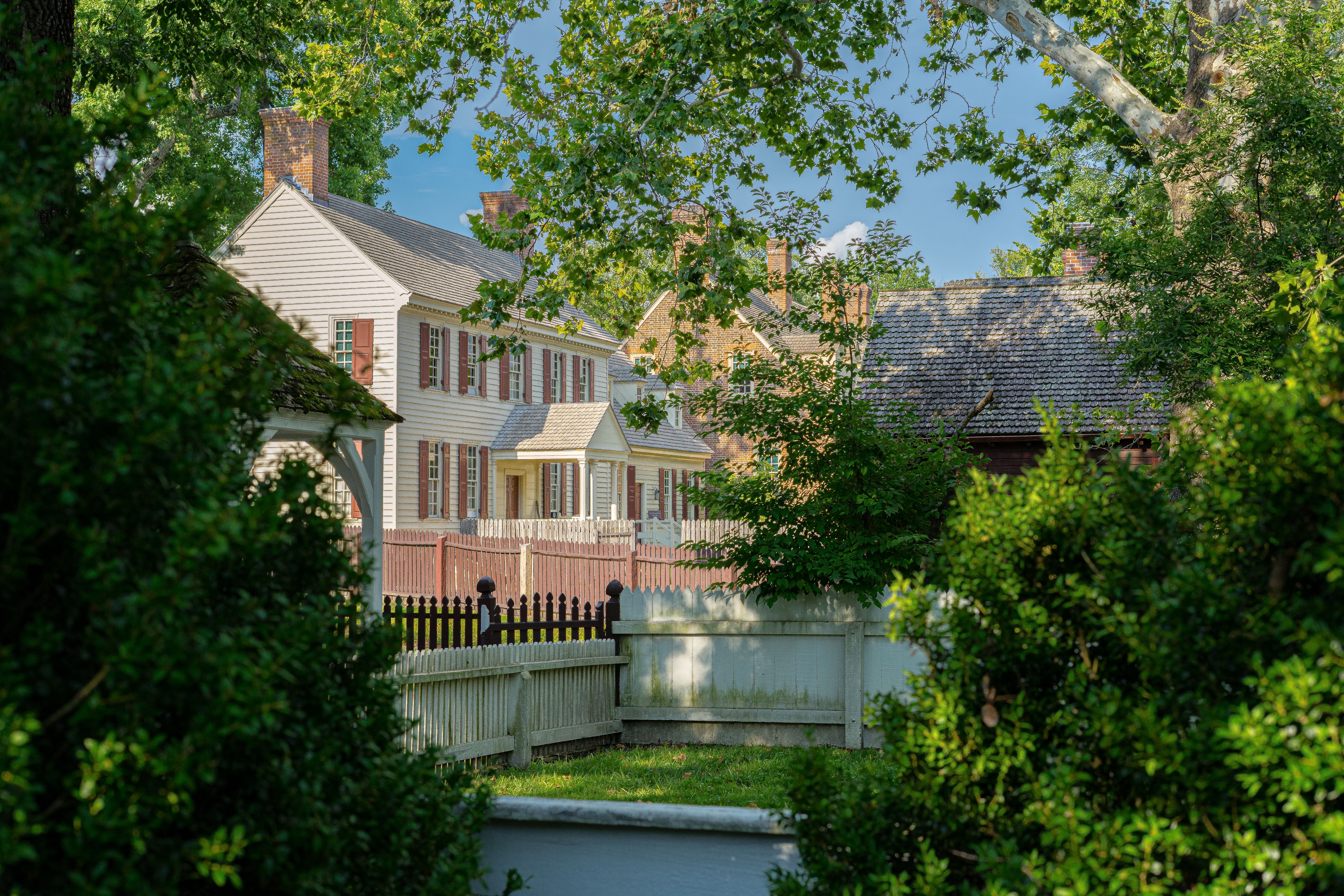
Housing Styles and Prices: What You’ll Find
Arlington: A mix of historic homes, ranchers, updated Colonials, and new construction. Renovated single-family homes in neighborhoods like Lyon Park or Ashton Heights often sell between $1.5M–$2.5M. New builds in Lyon Village or Clarendon regularly cross $2.5M–$3M. Smaller homes can be found closer to $1M, but competition is fierce.
Falls Church: Generally offers more square footage for the money. You’ll see classic Colonials, mid-century homes, and a growing number of modern new builds. In Falls Church City, single-family homes often start around $1.2M and stretch into the $2M+ range. In Fairfax County’s Falls Church, options can be more affordable, with homes in the $900K–$1.5M range.
If budget is flexible and walkability is non-negotiable, Arlington is worth it. If you want more house and yard for your dollar, Falls Church wins.
Lifestyle: What Your Weekends Look Like
Arlington: Your weekends might include coffee at Northside Social, shopping at Ballston Quarter, and a bike ride on the Washington & Old Dominion Trail. There’s nightlife in Clarendon, family picnics at Bluemont Park, and farmers' markets nearly every weekend.
Falls Church: Life is more neighborhood-focused. Saturday mornings at the Falls Church Farmers Market are a staple. You’ll find family-friendly restaurants, local breweries, and easy access to nearby hiking in Fairfax County and Great Falls Park.
Which One Is Right for You?
It comes down to priorities:
-
Choose Arlington if: walkability, short commutes, and urban energy matter most.
-
Choose Falls Church if: more space, a quieter vibe, and well-regarded schools in a smaller district appeal to you.
Both are excellent places to call home, and I’ve helped families make the move to each. It’s about aligning your lifestyle with the right neighborhood.
Ready to Explore Arlington or Falls Church?
You don’t have to figure this out on your own. I know these neighborhoods inside and out, and I’d be happy to show you the homes, schools, and community features that matter most to your family.
Browse Arlington and Falls Church homes for sale
Thinking of buying or selling in Northern Virginia? Contact me today.
Arlington vs. Falls Church FAQs
What is the difference between Falls Church City and Falls Church in Fairfax County?
The City of Falls Church is an independent city with its own municipal government and school system (Falls Church City Public Schools). The surrounding areas with a Falls Church mailing address belong to Fairfax County, utilizing Fairfax County Public Schools and county services.
Is Falls Church more expensive than Arlington?
Cost of living differences between Falls Church and Arlington depend on the housing type and location. Single-family homes in the independent City of Falls Church and certain Arlington neighborhoods (like Lyon Village or Country Club Hills) carry similar price tags ($1.2M to $2.5M+). However, property in the Fairfax County portions of Falls Church often offers more square footage and larger lot sizes for a lower price per square foot compared to Arlington.
Is Arlington or Falls Church closer to Washington, D.C.?
Arlington is closer to Washington, D.C. and generally offers a faster commute to the downtown core. Because Arlington directly borders D.C. and has 11 Metro stations along major corridors, commutes average 10–20 minutes. Commuting from Falls Church typically adds an extra 10–20 minutes by car or rail.
Are Arlington and Falls Church connected by bike trails?
Yes. Both Arlington and Falls Church are connected by the Washington & Old Dominion (W&OD) Trail and the Custis Trail, making it easy for cyclists to commute or ride recreationally between Falls Church, Arlington, and into D.C.
Does Arlington or Falls Church have a better school system?
Both Arlington and Falls Church have well-regarded school systems; the key difference comes down to structure. Arlington gives families more enrollment options across multiple neighborhoods, while Falls Church City offers a more close-knit system where students attend most of the same elementary, middle, and high schools.
Enjoy this blog post? Click here to subscribe for updates
Leave A Comment